Vulcanplatinums-Onlline | Advanced Underwater Equipment


Service
Operator Training
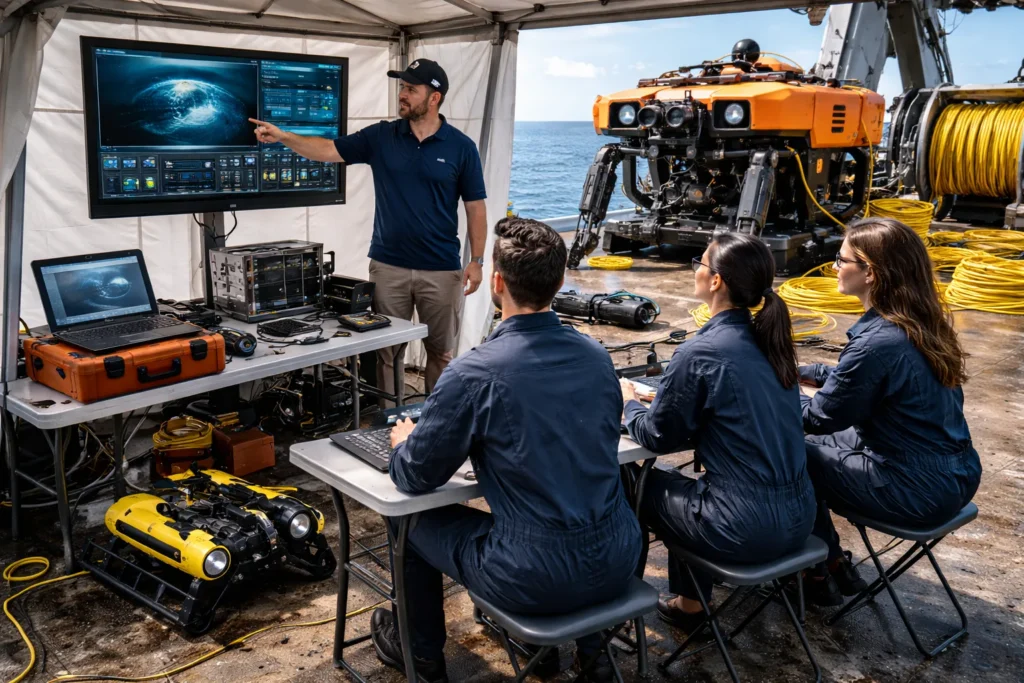
Introduction to Operator Training Service
Operator training service is a structured and professional program designed to equip individuals with the knowledge, technical skills, and practical competence required to safely and efficiently operate machinery, equipment, and specialized systems. Across industries such as construction, manufacturing, marine operations, logistics, energy, and industrial maintenance, trained operators play a critical role in ensuring productivity, safety, and compliance.
Modern equipment has become increasingly advanced, integrating digital controls, automation features, and complex safety systems. Without proper training, operators may struggle to utilize equipment effectively, increasing the risk of accidents, downtime, and costly errors. Operator training services address these challenges by delivering comprehensive instruction that blends theory, hands-on practice, and real-world scenarios.
Purpose and Importance of Operator Training
Operator training is not merely a regulatory requirement in many industries; it is a strategic investment in workforce development and operational efficiency.
Enhancing Workplace Safety
One of the primary objectives of operator training is to reduce workplace accidents. Improper handling of machinery can lead to injuries, equipment damage, or environmental hazards. Training programs emphasize hazard recognition, emergency response procedures, and safe operating techniques.
By educating operators on risk factors and preventive measures, organizations create safer work environments and reduce liability exposure.
Improving Operational Efficiency
Trained operators understand equipment capabilities, limitations, and optimal usage methods. This knowledge allows them to perform tasks more efficiently, reduce wear and tear on machinery, and minimize fuel or energy consumption.
Efficient operation translates into faster project completion, improved productivity, and lower operational costs.
Ensuring Regulatory Compliance
Many industries require certified operators for specific types of equipment. Operator training services help organizations comply with local, national, and international regulations.
Proper documentation of training and certification demonstrates accountability and supports compliance audits.
Structure of Operator Training Programs
Operator training programs are carefully structured to ensure comprehensive understanding and skill development.
Theoretical Instruction
The training process typically begins with classroom or virtual instruction. This phase covers equipment components, operational principles, safety standards, maintenance basics, and regulatory requirements.
Participants learn about system controls, load limits, performance indicators, and troubleshooting procedures. Understanding theoretical concepts builds a strong foundation before moving to practical application.
Practical Hands-On Training
Hands-on training allows participants to operate equipment under supervision. This stage is critical for developing confidence and real-world competence.
Instructors guide trainees through startup procedures, operational tasks, maneuvering techniques, and shutdown processes. Mistakes are corrected in a controlled environment to prevent unsafe habits.
Simulation-Based Learning
In some industries, simulation technology is used to replicate real operating conditions. Simulators provide a safe environment to practice complex or hazardous scenarios without risking damage or injury.
Simulation training is especially beneficial for high-risk environments where errors could have severe consequences.
Types of Equipment Covered in Operator Training
Operator training services cater to a wide range of equipment and machinery types.
Heavy Machinery and Construction Equipment
Training programs often include instruction on excavators, cranes, loaders, forklifts, and earthmoving equipment. Operators learn load calculations, stability principles, and site safety protocols.
Construction environments require precise coordination and awareness of surroundings, making specialized training essential.
Industrial and Manufacturing Equipment
Industrial operator training may focus on automated production systems, CNC machines, material handling equipment, and process control systems.
Operators are trained to monitor performance metrics, manage workflow processes, and respond to system alerts.
Marine and Subsea Equipment
Marine operator training involves navigation systems, underwater tools, remote systems, and safety procedures for maritime environments.
Environmental factors such as weather, water currents, and visibility are integrated into training modules to prepare operators for real-world challenges.
Energy and Utility Equipment
Operators in the energy sector require training on generators, compressors, turbines, and high-voltage systems. Safety and compliance standards are particularly strict in this field.
Training emphasizes risk management, equipment monitoring, and emergency shutdown procedures.
Customization and Industry-Specific Programs
Effective operator training services recognize that different industries have unique operational requirements.
Tailored Training Modules
Customized training modules address specific operational tasks and equipment configurations. Training providers assess organizational needs before designing course content.
This tailored approach ensures relevance and maximizes learning outcomes.
On-Site Training Solutions
On-site training allows operators to learn using the exact equipment they will operate daily. This enhances familiarity and practical relevance.
Instructors adapt sessions to actual workplace conditions, making the training highly applicable.
Refresher and Advanced Courses
Refresher courses help experienced operators maintain compliance and reinforce safety practices. Advanced training programs focus on specialized techniques, new technologies, or supervisory skills.
Continuous learning ensures operators stay updated with evolving industry standards.
Certification and Assessment
Certification validates an operator’s competence and demonstrates that training standards have been met.
Skills Evaluation
Assessments typically include written examinations and practical performance evaluations. Trainees must demonstrate understanding of safety protocols and operational procedures.
Performance assessments measure precision, decision-making ability, and adherence to safety guidelines.
Documentation and Record Keeping
Upon successful completion, participants receive certification or documentation verifying their qualifications. Proper record keeping supports regulatory compliance and workforce management.
Organizations often maintain training logs to track expiration dates and renewal requirements.
Safety Culture and Risk Management
Operator training contributes significantly to building a strong safety culture within organizations.
Hazard Awareness
Training programs teach operators to identify potential hazards such as unstable surfaces, mechanical faults, and environmental risks.
Proactive hazard recognition prevents accidents and enhances situational awareness.
Emergency Response Preparedness
Operators are trained to respond effectively to emergencies, including equipment malfunctions, power failures, or workplace incidents.
Preparedness reduces response time and mitigates damage or injury.
Technology Integration in Operator Training
Advancements in technology have enhanced the quality and accessibility of operator training services.
Digital Learning Platforms
Online training modules and virtual classrooms provide flexible learning options. Participants can access course materials, instructional videos, and assessments remotely.
Digital platforms improve knowledge retention and allow self-paced learning.
Data-Driven Performance Tracking
Modern training programs may incorporate data analytics to track trainee performance. Metrics such as response time, accuracy, and operational efficiency provide valuable insights.
Performance tracking helps identify areas for improvement and supports continuous development.
Benefits to Organizations
Investing in operator training service yields measurable benefits for organizations.
Reduced Downtime
Well-trained operators are less likely to misuse equipment, reducing mechanical failures and unexpected downtime.
Preventive awareness also leads to early identification of maintenance needs.
Increased Productivity
Competent operators complete tasks more efficiently and accurately. This improves workflow continuity and project timelines.
Enhanced Reputation
Organizations that prioritize training demonstrate commitment to safety and professionalism. This enhances credibility with clients, partners, and regulatory authorities.
Continuous Improvement and Long-Term Development
Operator training is not a one-time activity but an ongoing process.
Skill Advancement
As equipment technology evolves, operators must continually upgrade their skills. Ongoing training ensures adaptability to new systems and operational standards.
Leadership Development
Experienced operators may transition into supervisory or training roles. Advanced programs support leadership development and mentorship skills.