Vulcanplatinums-Onlline | Advanced Underwater Equipment


Service
Underwater Equipment
Introduction to Underwater Equipment Service
Underwater equipment service is a specialized field dedicated to the inspection, maintenance, repair, and optimization of tools and systems designed for submerged operations. From commercial diving gear to remotely operated vehicles, underwater lighting systems, and subsea construction tools, this service ensures that equipment performs reliably and safely in some of the harshest environments on earth. Water pressure, corrosion, biological growth, and limited visibility all pose significant challenges, making routine servicing not just important but essential.
Organizations operating in marine construction, offshore energy, scientific research, aquaculture, and public safety depend heavily on properly maintained underwater equipment. A single malfunction can jeopardize projects, increase operational costs, or even endanger lives. As a result, underwater equipment service combines technical expertise, rigorous testing procedures, and strict safety standards to guarantee dependable performance below the surface.
Scope of Underwater Equipment Service
Underwater equipment service encompasses a wide range of activities tailored to various industries and applications. The service scope extends beyond simple repairs and includes preventive maintenance, calibration, upgrades, and lifecycle management.
Inspection and Diagnostics
Inspection is the foundation of effective underwater equipment servicing. Technicians conduct visual examinations, pressure testing, electronic diagnostics, and performance assessments to identify wear, corrosion, or malfunction. Specialized tools such as ultrasonic testers and waterproof diagnostic interfaces are often used to detect hidden defects.
Diagnostics are particularly critical for electronic and hydraulic systems. Faulty seals, degraded wiring, and compromised connectors can lead to system failure. Early detection minimizes downtime and reduces the risk of costly emergency repairs during active underwater operations.
Preventive Maintenance
Preventive maintenance is designed to extend the operational life of underwater equipment. This includes cleaning components, replacing seals and O-rings, lubricating moving parts, and applying anti-corrosion treatments. Because underwater environments accelerate material degradation, routine servicing schedules are more stringent than for standard equipment.
Preventive programs are often customized according to equipment type, frequency of use, and environmental conditions. For instance, equipment used in saltwater requires more aggressive corrosion control compared to freshwater applications.
Repair and Component Replacement
When damage occurs, skilled technicians perform targeted repairs to restore functionality. Repairs may involve replacing electronic boards, repairing hydraulic lines, welding structural components, or reconditioning motors and pumps.
Precision is crucial during repairs. Even minor misalignments or improper sealing can compromise waterproof integrity. After repairs, equipment undergoes rigorous pressure and performance testing to confirm reliability before being redeployed.
Types of Equipment Serviced
Underwater equipment service providers handle a diverse array of tools and systems. Each category presents unique servicing challenges.
Diving Gear
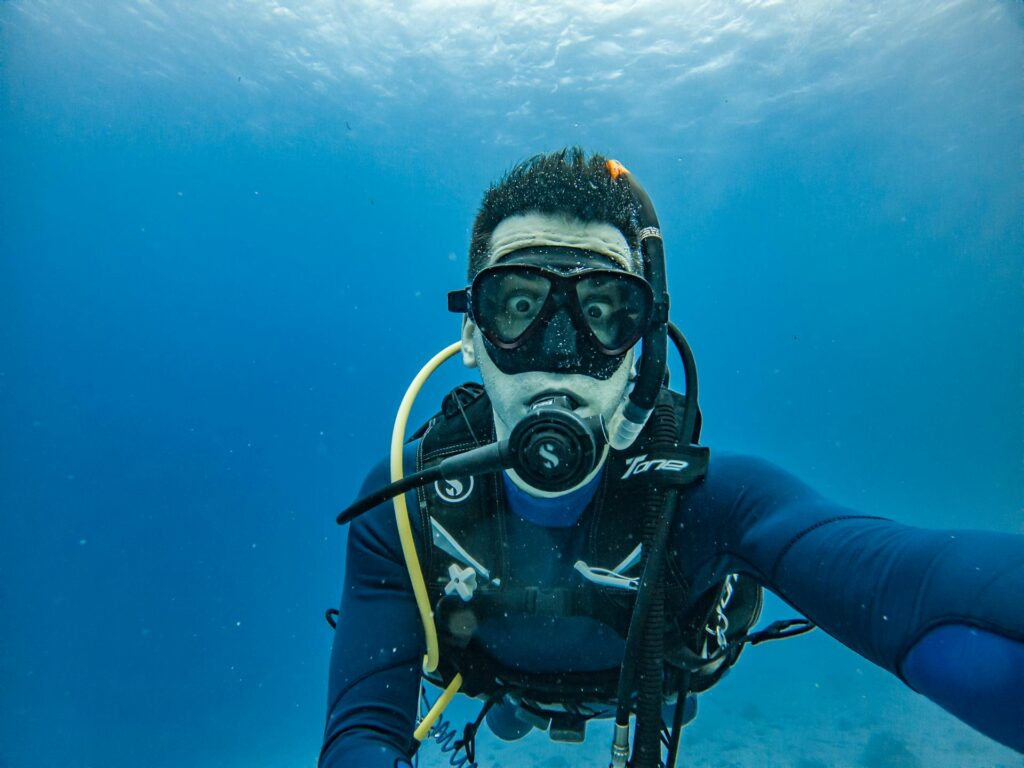
Professional diving gear includes regulators, buoyancy control devices, helmets, communication systems, and breathing apparatus. Servicing this equipment requires meticulous attention to detail, as diver safety depends entirely on reliable performance.
Technicians inspect air delivery systems for leaks, test communication lines for clarity, and verify that pressure gauges provide accurate readings. Any deterioration in seals or hoses must be addressed immediately to prevent hazardous failures underwater.
Remotely Operated and Autonomous Systems
Remotely operated vehicles and autonomous underwater systems are used for inspection, research, and construction. These systems incorporate cameras, thrusters, manipulators, and navigation instruments.
Servicing involves checking propulsion units, calibrating sensors, updating software, and testing waterproof housings. Since these systems operate at varying depths, pressure chamber testing is often required to simulate real-world conditions.
Underwater Lighting and Imaging Equipment
Lighting and imaging equipment are critical for visibility and documentation. Service procedures include inspecting lens seals, replacing bulbs or LED modules, cleaning optical surfaces, and ensuring battery systems function efficiently.
Moisture intrusion is a common issue in lighting systems. Even minimal condensation can damage electronics. Proper resealing and vacuum testing help prevent recurrence.
Hydraulic and Pneumatic Tools
Subsea construction and maintenance tasks rely on hydraulic and pneumatic tools such as drills, cutters, and impact wrenches. These tools must withstand high pressure and continuous exposure to water.
Service routines include flushing systems to remove contaminants, replacing worn seals, checking pressure tolerances, and recalibrating performance settings. Hydraulic fluid integrity is also assessed to prevent internal damage.
Environmental Challenges
Servicing underwater equipment requires understanding the environmental conditions that affect performance and durability.
Corrosion and Material Degradation
Saltwater is highly corrosive, attacking metal surfaces and electrical contacts. Over time, corrosion weakens structural components and disrupts electrical conductivity. Protective coatings, cathodic protection systems, and corrosion-resistant materials are critical preventive measures.
Service technicians often apply specialized coatings or replace components with corrosion-resistant alternatives to extend lifespan.
Pressure and Depth Factors
Pressure increases significantly with depth, placing stress on housings, seals, and internal components. Equipment designed for shallow operations may fail if exposed to deeper conditions.
Pressure testing chambers are used during servicing to verify equipment integrity at specified depths. Seals and housings are inspected for microfractures that could lead to leaks under pressure.
Biofouling
Marine organisms such as barnacles and algae attach to submerged equipment, affecting performance and efficiency. Biofouling can obstruct moving parts, reduce hydrodynamic efficiency, and interfere with sensors.
Cleaning and applying antifouling coatings are essential aspects of underwater equipment maintenance.
Safety Standards and Compliance
Safety is paramount in underwater equipment service. Technicians adhere to strict guidelines and industry regulations to ensure equipment reliability.
Testing Protocols
After servicing, the equipment undergoes functional testing, leak detection, and performance validation. Breathing systems are tested for airflow consistency, while electronic devices are checked for signal stability.
Documentation of test results provides traceability and compliance assurance. This record-keeping is especially important for equipment used in commercial or regulated environments.
Technician Training
Qualified technicians receive specialized training in underwater systems, materials science, and safety procedures. Continuous education ensures familiarity with evolving technologies and updated standards.
Hands-on experience is critical, as servicing underwater equipment often requires problem-solving skills beyond textbook knowledge.
Lifecycle Management
Underwater equipment service extends beyond individual repairs. Comprehensive lifecycle management helps organizations plan for upgrades, replacements, and cost optimization.
Scheduled Service Plans
Scheduled service plans reduce unexpected failures and extend equipment life. By adhering to routine maintenance intervals, operators maintain consistent performance and lower overall operational costs.
Customized plans may include periodic inspections, software updates, and component replacement cycles.
Refurbishment and Upgrades
Instead of replacing entire systems, refurbishment offers a cost-effective alternative. Upgrading electronics, reinforcing housings, or installing improved sealing technologies can significantly enhance performance.
Refurbishment also supports sustainability by reducing waste and maximizing resource efficiency.
Technological Advancements
Technological innovation continues to transform underwater equipment service. Advanced materials, smart sensors, and digital diagnostics improve reliability and efficiency.
Remote monitoring systems now enable technicians to analyze equipment data in real-time. Predictive maintenance tools can identify potential issues before failure occurs, reducing downtime and repair costs.
Automation also enhances servicing processes. Computer-controlled testing systems deliver precise measurements, ensuring consistent quality standards.
Importance Across Industries
Underwater equipment service plays a vital role in numerous industries. Offshore infrastructure projects rely on dependable tools for construction and inspection. Marine research organizations depend on accurate instruments for data collection. Public safety agencies require reliable diving equipment for rescue and recovery operations.
Without consistent servicing, operational risks increase dramatically. Equipment failure can delay projects, compromise data integrity, and pose a threat to human safety.